
The Best Electric Toothbrush
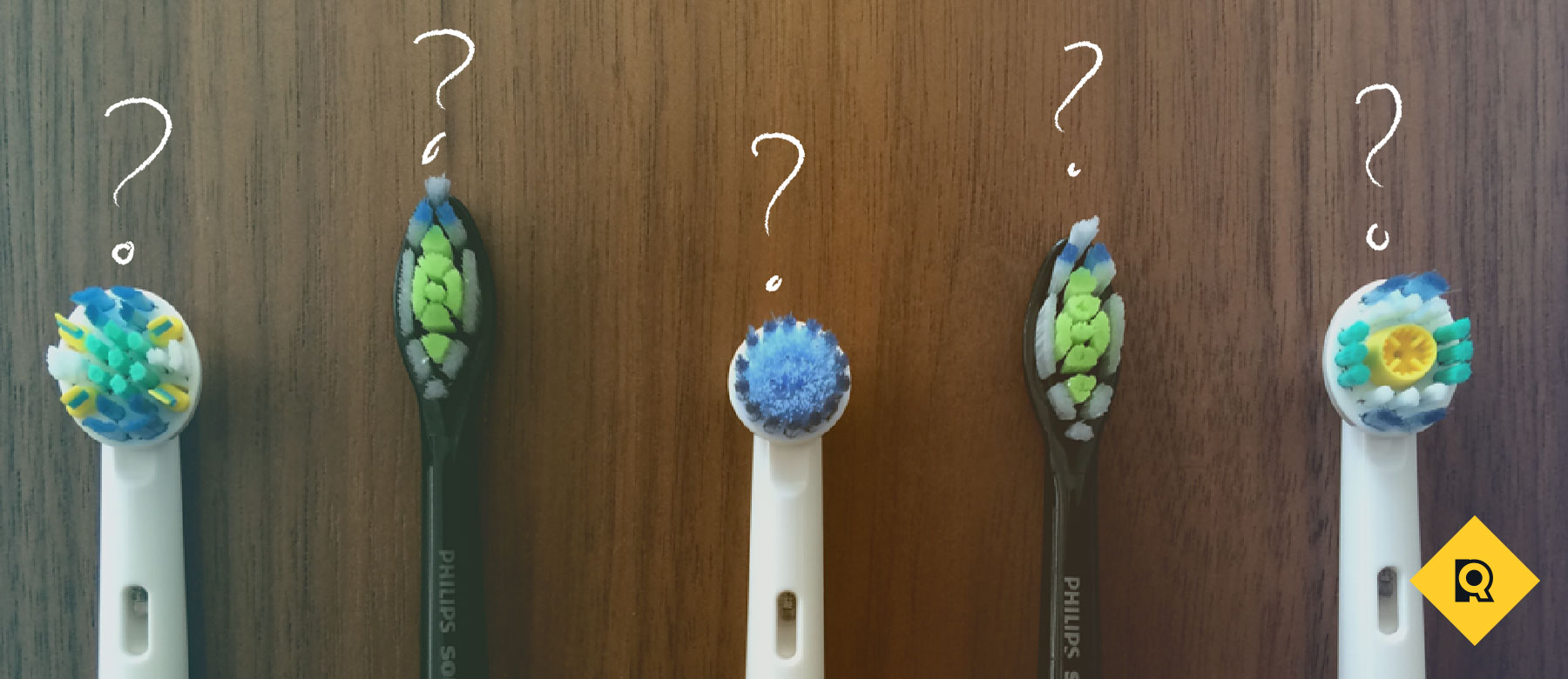
The best electric toothbrush for you depends on your unique preferences and budget. Certain health conditions may also influence the type of brush you choose, so if you’re unsure what kind of toothbrush you need, you should start by consulting your dentist.
Is an electric toothbrush worth the investment?
Sure, electric toothbrushes look flashy, but do they really do a better job of cleaning your teeth? According to a recent study by Cochrane, an independent organization that gathers and summarizes health research for consumers, power toothbrushes have been linked to greater reductions in plaque and gingivitis, compared to manual brushes. These benefits appear to increase with consistent use, so there may be something to the idea that power toothbrushes do a better job.
This isn’t to say your oral hygiene is suffering if you use a manual toothbrush. Every source I consulted made one thing very clear: How you brush is more important than what you brush with. If you carefully brush your teeth twice a day for two minutes each time and floss regularly, an electric toothbrush may not be worth the investment.
But let’s be honest — most people don’t brush for two whole minutes, and flossing isn’t usually high on the priority list. In that case, a little extra help from an electric toothbrush goes a long way in maintaining your oral health. Most rechargeable toothbrushes have built-in timers to ensure you’re brushing for the full two minutes. Some also have quadpacers, which notify you every 30 seconds, so you spend equal time on all areas of your mouth.
If you struggle with arthritis or limited mobility, a power toothbrush is probably a better choice. The toothbrush provides much of the brushing action for you, so you get a better clean with a lot less movement on your part.
People who have a tendency to brush too hard with a manual brush may prefer a power toothbrush with a pressure sensor. Brushing too hard can damage the gums and erode tooth enamel, and a pressure sensor’s feedback helps you avoid this.
Beyond that, if you believe you’re getting along fine with your regular toothbrush, you don’t need to run out and buy an electric one. But if you think your brushing habits could use improvement, a power toothbrush is a smart investment.
Battery-Powered Versus Rechargeable Electric Toothbrushes
In most cases, rechargeable electric toothbrushes are the way to go. They require a bigger upfront investment, but you get a lot more for your money. Plus, timers, brushing modes, pressure sensors, UV sanitizers — you won’t find any of them in your average battery-powered toothbrush, which is essentially just a manual toothbrush that vibrates.
Cost
Price is the main reason most users choose a battery-powered brush over their rechargeable counterparts. A battery-powered brush costs just a few dollars more than a manual brush, while rechargeable toothbrushes can cost upward of $200. Plus, there’s the additional cost of replacement heads. There are cheap rechargeable electric toothbrushes on the market as well, and these are usually basic models. They’re still more expensive than battery-powered brushes, but they’re a good option if your budget is limited.
Warranties & Guarantees
Warranties are another factor to consider. As a general rule, battery-powered toothbrushes don’t include them, while most rechargeable brushes do. If your rechargeable electric toothbrush breaks within the first two years after purchasing it, you can get it repaired or replaced at no additional cost. This may justify paying a little more upfront for a rechargeable model.
Kids
Kids’ rechargeable electric toothbrushes are rare, although both Oral-B and Philips Sonicare offer a rechargeable model for older children. If you’re looking for an option for a younger child, you’re limited to battery-powered or manual brushes.
Rotating-Oscillating Versus Sonic Electric Toothbrushes
Another way to phrase this would be: Oral-B vs. Philips Sonicare. These are the two major players in the rechargeable electric toothbrush market. These buzzwords are often thrown around the market, but what do they actually mean — and what difference do they make to you?
Oscillating
Oral-B’s rotating-oscillating toothbrushes come with smaller, round toothbrush heads that turn quickly in one direction and then in the other.
Sonicare
Philips Sonicare brushes are shaped like a regular toothbrush head and vibrate side to side at very high speeds, in some cases over 30,000 times per minute.
As mentioned above, Cochrane did a systematic review of the different types of power toothbrushes and concluded that the rotating-oscillating models proved more efficient at reducing plaque and gingivitis than other types of toothbrushes. But the difference was slight and the authors noted it was unclear what clinical significance it had.
Personal preference comes into play here. Until you try them out, it’s difficult to be sure which type you’ll prefer. Rotating-oscillating does seem to hold two distinct advantages, though. The smaller brush head is easier to maneuver into tight spaces in your mouth, enabling you to better cover all surfaces. In addition, rotation-oscillation toothbrushes require a lot less work on your part. Sonic toothbrushes require you to move the brush back and forth as you would with a regular toothbrush, but with the rotating-oscillating models, all you have to do is hold the brush against each tooth for a few moments.
How much should you spend?
Generally, the more expensive the electric toothbrush, the more features it has. So determining how much you ought to spend is about figuring out which features you can’t live without.
Basic battery toothbrushes cost under $15, but most of these don’t even have timers. If you’re looking for something rechargeable, $25 to $40 is the least you’re going to pay. These models don’t include any extras, like multiple cleaning modes or a pressure sensor, but you’ve got a timer and a rechargeable base.
If you’re thinking about extras — quadpacers, pressure sensors, sensitive and whitening modes — the price rises considerably, with the most expensive models maxing out around $200. These extra gadgets and a better battery life are some of the only differences between these high-end units and their less-expensive counterparts. You don’t need to spend half of your paycheck on an electric toothbrush if you’re not interested in all the fancy gadgetry — a basic model still gets the job done.
What makes a good electric toothbrush?

What constitutes a “good” electric toothbrush to you depends on what you’re looking for. For some, it’s a basic model, while others want all the bells and whistles. Here are some features to look out for when choosing an electric toothbrush.
6 Essential Features
These are some of the top features that the best electric toothbrushes all have:
- Two-minute timer — This feature is great for ensuring you’re brushing for the recommended length of time.
- Comfortable grip — The toothbrush should be easy for an adult to hold and grip.
- Long-lasting battery life — The toothbrush’s power should last for several days before needing a recharge.
- Small toothbrush head — Smaller toothbrush heads are easier to maneuver into hard-to-reach areas.
- Compatible with multiple toothbrush heads — Choose the type of bristles that best suit your individual health needs — sensitive, floss action, braces care, etc.
- Warranty — Most rechargeable electric toothbrushes include a two-year limited warranty with your purchase, so you’re covered if your toothbrush breaks unexpectedly.
8 Bonus Features
For those of you interested in extras, check these out:
- Quadpacer — This feature notifies you every 30 seconds so you brush all quadrants of your mouth equally.
- Pressure sensor — A pressure sensor stops you from brushing too hard.
- Travel case — A travel case keeps your toothbrush safe and clean while you travel.
- Charge-level display — This tells you how much charge the battery has left.
- Multiple brushing modes — The toothbrush comes with special modes designed for sensitive teeth, whitening, and other specific circumstances.
- Money-back guarantee — If you don’t like the toothbrush after you buy it, you can return it within the first month or two.
- UV sanitizer — UV sanitizers reduce the amount of germs on your toothbrush.
- ADA Seal of Acceptance — The American Dental Association (ADA) tests toothbrushes to ensure safety and effective cleaning.
Extra Considerations for Kids
- Smaller brush heads — Kids have smaller mouths, so they need a smaller toothbrush and smaller toothbrush heads.
- Smaller handles — The handle should fit easily into kids’ smaller hands.
- Targeted at appropriate age — Kids of different ages often require different toothbrush sizes.
How We Chose the Best Electric Toothbrush of 2016
I spent several weeks reading every article about electric toothbrushes I could find on the internet, reviewing the latest research from sources like the American Dental Association, independent organizations like the Cochrane Collaboration, and checking out customer reviews from Amazon, Target, Walmart, and manufacturers’ websites.
I started out with over 70 electric toothbrushes and narrowed them down to the top seven based on average customer rating from the sites above, the type of brush-movement used (rotating-oscillating versus sonic), and the features included. Built-in timers were a must, but I tended to favor the brushes that went beyond this, offering pressure sensors, quadpacers (which divide the recommended two minutes into four sections), and multiple brushing modes. Since I was focused on finding the best of the best, I didn’t let price factor into my decision. However, I looked at electric toothbrushes for all budgets.
It quickly became a competition between the two big names in electric toothbrushes: Oral-B and Philips Sonicare. I decided to get my hands on the flagship models from each brand — the Oral-B Black 7000 and the Philips Sonicare DiamondClean. I tested each one for a week, brushing right after meals, so I could really get a sense for how well they were working. I also took them with me on a weekend trip. After testing all the modes and features of each one, I made my final decision. I focused on:
- User-friendliness
- Travel convenience
- Battery longevity
- Feel of the brush on my teeth and gums
- How clean my mouth felt after consistent use